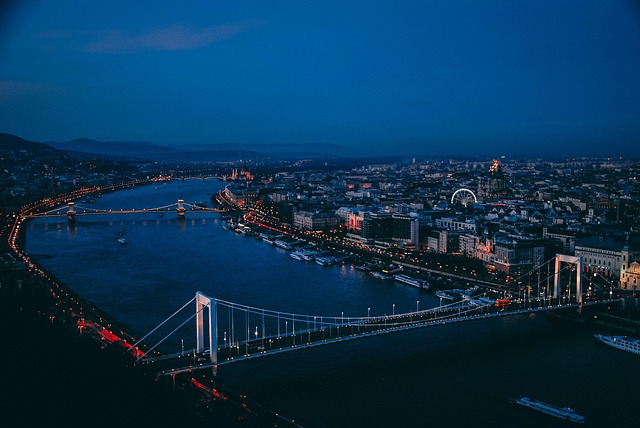
Buildings tell stories. Every arch, roofline, and facade reflects the people who designed it, the era it belongs to, and the purpose it serves. The random architecture picture generator brings together over a hundred photographs of structures from around the world - glass-and-steel office towers, centuries-old cathedrals, colorful residential blocks, and everything in between. Each click delivers a different building or architectural detail, and because the selection is random, you're just as likely to see a brutalist concrete library as you are a timber-frame cottage. That unpredictability is the whole point. You get exposed to styles and structures you never would have searched for on your own.
Using it is straightforward. Choose how many images you want to see at once - from a single photo up to fifty - and hit the generate button. The photos shuffle randomly each time, so you'll never get the same batch twice. Whether you came here for a specific project or just enjoy looking at interesting buildings, here are some of the ways people put this tool to use.
Design Inspiration and Reference
Architects, interior designers, and design students use reference photos constantly. Browsing random architecture images is a fast way to collect ideas without getting locked into the same sources you always check. Maybe you see a residential building with an unusual window pattern that sparks an idea for a project you're working on. Or a photo of an old warehouse conversion gets you thinking about adaptive reuse in a way that a textbook description never could. The random element matters here - when you search deliberately, you tend to find what you already expect. Random photos push you toward forms, materials, and spatial arrangements you hadn't considered. Generating a batch of twenty or thirty images and saving the ones that catch your eye can build a mood board in minutes. For other kinds of visual reference, try our mountain pictures for landscape context or ocean photos for coastal site inspiration.
Photography and Composition Study
Architecture is one of the most popular subjects in photography, and for good reason. Buildings give you strong lines, repeating patterns, dramatic scale, and interesting light at different times of day. Studying how other photographers frame architectural subjects is one of the fastest ways to improve your own work. Pay attention to the angles - some of these photos shoot straight up at a skyscraper to emphasize height, while others use a three-quarter view to capture depth and context. Notice how symmetry works, how leading lines draw your eye, how reflections in glass create layered compositions. You can generate a set of images and try to recreate similar compositions with buildings near you. It's free practice that teaches you more about framing, perspective, and focal length than most tutorials.
Art and Illustration Reference
If you paint, sketch, or do digital illustration, buildings present some of the best challenges for developing your technical skills. Perspective drawing, rendering different materials like stone, glass, and concrete, getting the proportions of windows and doors right - architecture covers all of it. Random photos give you subjects you wouldn't have chosen yourself, which is exactly the kind of practice that builds versatility. A painter working on a cityscape can generate reference images to capture the feel of urban density - and for full skyline views, our random city pictures pair well with close-up architectural shots. An illustrator building a fantasy world can pull from real Gothic cathedrals, Moorish palaces, or Japanese temples to make fictional architecture feel grounded and believable. The variety you get from random generation means your reference library stays broad instead of clustering around the same handful of famous buildings. Check out our guide to creative ways to use random pictures for more ideas about using images in creative work.
Travel Planning and Exploration
Some people discover their next travel destination through buildings. You see a photo of a colorful street in Lisbon or a glass-domed market hall in Budapest and suddenly you're looking up flights. Random architecture photos work as a kind of accidental travel catalog - you're browsing structures, but you're also browsing places. Each building exists somewhere, and the surrounding context in the photo - the street, the light, the vegetation - gives you a feel for what visiting would be like. Even if you're not planning a trip right now, saving photos of buildings and places that interest you builds a bucket list over time. Architecture tourists are a real thing, and this generator is basically a lightweight way to scout the world from your screen.
Education and History
Buildings are primary sources. A Romanesque church, an Art Deco theater, a postwar housing block - each one teaches you something about the culture, technology, and values of the people who built it. Teachers and professors use architectural images in history, geography, and social studies classes to make abstract concepts concrete. Instead of reading about industrialization, students see a Victorian factory with its massive brick chimneys and iron-framed windows. Instead of discussing modernism in theory, they look at a Le Corbusier-inspired apartment building and debate whether form really follows function. The random aspect works well in classrooms because it creates surprise and discussion. Generate an image, and ask students to guess the era, the country, or the purpose of the building. It turns passive viewing into active learning.
Relaxation and Visual Browsing
There's a meditative quality to looking at buildings without any agenda. The geometry of architecture - the symmetry of a bridge, the rhythm of repeated columns, the clean lines of a modern facade - has a calming effect that's different from nature photography but just as real. Some people find that browsing architecture photos helps them decompress after a long day, especially images of quiet residential streets, historic courtyards, or buildings photographed in soft morning light. It's a more grounding kind of visual browsing compared to the noise of social media feeds. And if you're in the mood for a different kind of calm, our random space pictures offer cosmic scale, while random flower photos bring things down to something gentle and close.
We hope the random architecture picture generator proves useful, whether you're an architect looking for reference, a photographer studying composition, a student exploring history through buildings, or someone who just appreciates good design. If you've found a way to use it that we haven't mentioned here, we'd love to hear about it. And if you'd like to see a more specific generator - Art Deco, castles, modern skyscrapers, interiors - let us know. We're always looking to expand the collection.