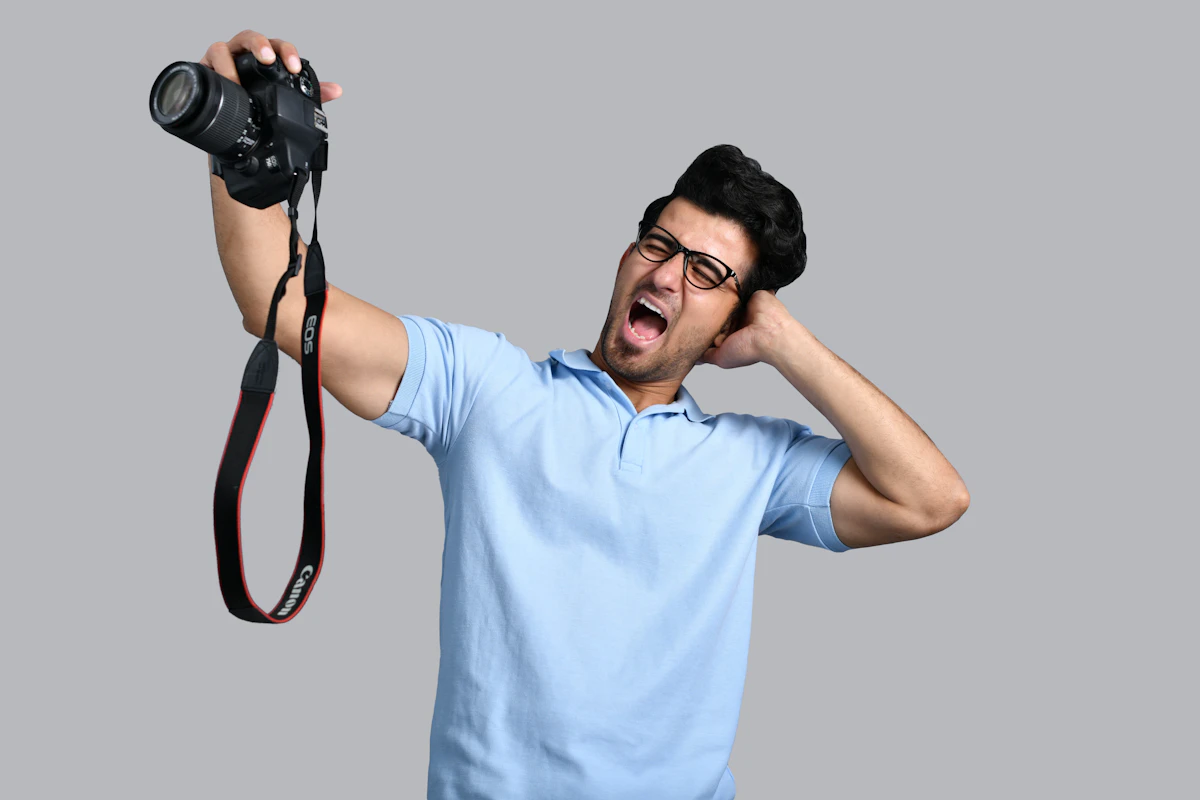
Random Photo Challenge Ideas for Photographers
Creative block hits every photographer eventually. You've shot the same park bench from every angle. Your cat refuses to cooperate anymore. The golden hour photos all start looking the same. What you need isn't better gear or a new location - you need a constraint that forces you to see differently.
That's where random images come in. Using a random picture generator as a creative prompt gives you an unexpected starting point - a subject, mood, color palette, or composition you'd never choose on your own. These 15 photo challenge ideas use randomness as a tool to push past your comfort zone and build skills that actually transfer to your real work.
Solo Challenges
These work when it's just you and your camera. No audience, no pressure - just practice with a twist.
1. The Mood Match
Generate a random picture and study the feeling it creates. Is it calm? Tense? Nostalgic? Playful? Now go shoot something in your immediate surroundings that captures the same mood. Not the same subject - the same emotional quality. A random sunset image might feel melancholy, so you photograph a closed storefront or an empty swing set. This challenge trains you to think about what a photo communicates beyond its literal content, which is the difference between snapshots and photography.
2. Color Palette Theft
Pull up a random flower picture or ocean image and identify the three dominant colors. Then spend an hour photographing only subjects that contain those colors. If your random image gives you teal, coral, and gray, suddenly you're noticing teal graffiti on a gray wall, coral-colored restaurant signs, or the way certain shadows take on a bluish tint. Color awareness is one of the biggest gaps between amateur and professional photography, and this exercise closes it fast.
3. Composition Copy
Generate a random architecture photo and ignore the subject entirely. Focus on the composition. Where are the lines? How is the frame divided? Where is the visual weight? Now go replicate that exact composition using a completely different subject. An architectural photo with strong diagonal lines becomes a portrait with the same diagonal energy. A centered mountain image becomes a centered still life. You start seeing structure instead of just scenes.
4. The One-Mile Radius
Generate a random picture. Whatever the subject is, you have to find and photograph something similar within one mile of where you're standing right now. Got a random food image? There's a restaurant nearby. A bird picture? Look up. Random car? You're probably surrounded by them. The constraint isn't finding the subject - it's making something interesting out of what's literally right there. This is how street photographers train their eye.
5. Light Study
Look at a random national park photo and pay attention only to the light. What direction is it coming from? How hard or soft are the shadows? Is the light warm or cool? Now find similar lighting conditions in your environment and shoot anything at all. Tuesday afternoon sun through office blinds might match the dappled light in a forest photo. This challenge builds your lighting vocabulary so you can describe - and therefore plan for - the light you want.
Weekly Series Challenges
Consistency beats inspiration. These challenges stretch across a week, building a series that tells a story or explores a theme.
6. Seven Days, One Theme
Generate a random picture on Monday. Whatever the subject category is - space, cities, love, butterflies - that's your theme for the entire week. Shoot it every day. By day three, you'll have exhausted the obvious interpretations. By day five, you're finding angles and subjects you never would have considered. The last two days usually produce the strongest work because you've already burned through your default ideas.
7. Before and After
Each day, generate a random image and take a photo inspired by it. Then edit the photo to match the color grading and feel of the random image as closely as possible. Post both side by side. This is actually two challenges in one - the shooting forces creative thinking, and the editing builds post-processing skills. After a week, you'll have practiced seven different editing styles you wouldn't have tried otherwise.
8. The Constraint Ladder
Day one: shoot anything you want. Day two: generate a random picture and match its subject. Day three: match its subject AND its color palette. Day four: add composition. Day five: add mood. Day six: add lighting direction. Day seven: combine everything. Each day adds one more constraint. By the end of the week, you're making sophisticated creative decisions under heavy limitations - which, paradoxically, produces more interesting work than total freedom.
Group and Social Challenges
Photography gets better when other people are involved. These challenges work for camera clubs, online groups, or just you and a friend.
9. Same Prompt, Different Eyes
Everyone in the group generates the same random picture at the same time. Each person goes out and shoots their interpretation. When you compare results, no two photos will look alike - and that's the lesson. Seeing how five people interpret the same sunset reference differently teaches you more about photographic voice than any YouTube tutorial. You notice your own patterns and blind spots when they're sitting next to someone else's.
10. The Trading Game
Person A generates a random picture and sends it to Person B, who has to shoot something inspired by it and send the result back. Person A then generates a new random image inspired by Person B's photo. Back and forth, building a visual conversation. The chain of images tells a story that neither photographer planned, and both people end up shooting subjects they'd normally ignore.
11. Photo Roulette Night
Meet up (in person or online). Take turns generating random pictures - a dragon, a lion, horses, space - and give everyone 15 minutes to shoot their response using whatever's nearby. Indoor, phone cameras, no prep. The time pressure eliminates perfectionism and the group setting adds energy. The "worst" photos often spark the best discussions about what makes an image work or not.
Skill-Specific Challenges
These target particular technical skills that are hard to practice in isolation.
12. Texture Hunt
Generate a random picture and zoom in mentally on its most interesting texture. The roughness of bark in a mountain photo. The smoothness of water in an ocean image. The grain of stone in an architecture shot. Go find and photograph textures that match. Shoot close enough that the texture fills the frame. Macro photographers already know this, but texture awareness improves every genre of photography because it adds depth and tactile quality to otherwise flat compositions.
13. Negative Space Practice
Generate several random pictures and pick the one with the most negative space - the empty area around the subject. Maybe a bird photo with lots of sky, or a single flower against a plain background. Now replicate that relationship between subject and empty space in your own shot. Most beginners fill every pixel. Learning to leave room - and to use that emptiness deliberately - is one of the fastest ways to make your photos look more professional.
14. Story in Three Frames
Generate a random picture. That's your middle frame. Now shoot two more photos - one that could come before it in a narrative, and one that could come after. You're telling a three-part story where the middle panel is an image you didn't create. This forces you to think about sequence, narrative, and visual continuity. It's also excellent practice for anyone interested in photo essays or editorial work, where individual images need to work both alone and together.
15. The Genre Swap
Generate a random image from a category you never shoot. Portrait photographer? Try architecture. Landscape shooter? Try food. Wildlife enthusiast? Try city streets. Use the random image as a reference and spend a session shooting that genre. You're not trying to become a food photographer overnight - you're borrowing techniques and perspectives from other genres that make your primary work stronger. Landscape photographers who try portraiture start paying more attention to faces in their landscape shots. Food photographers who try architecture start composing more deliberately.
Making It a Habit
The best photo challenge is one you actually do. Here's how to make random image challenges stick:
- Start with once a week. Pick one challenge from this list and do it every Saturday morning. Don't add a second until the first feels easy.
- Use the favorites feature. When you generate a random picture that sparks a strong reaction, save it (tap the heart icon). Build a library of reference images you can come back to when you need inspiration on a slow day.
- Keep your challenge photos separate. Don't mix them into your portfolio work. They're practice. Athletes film practice sessions separately from game tape for a reason - it lets you experiment without worrying about the result.
- Review monthly. At the end of each month, look through your challenge photos. You'll spot patterns - maybe you consistently nail color-based challenges but struggle with composition ones. That tells you where to focus next.
- Share selectively. If a challenge photo turns out genuinely good, post it. But don't feel pressure to share everything. The goal is growth, not content.
Why Random Prompts Work Better Than Planned Shoots
There's a reason art schools use random constraints in their exercises. When you choose your own subject, you default to what you already know how to shoot. Your brain picks subjects you're confident with, angles you've mastered, lighting you understand. You get better at what you're already good at, which is a slow path to stagnation.
Random prompts short-circuit that pattern. A random dragon illustration doesn't care that you've never photographed fantasy themes before. A love picture doesn't care that you specialize in architecture. The image just sits there, waiting for you to figure out what to do with it. And in that gap between the prompt and your response, you grow.
Professional photographers who hit creative walls often report the same thing: their best breakthroughs came from constraints, not freedom. A wedding photographer who spent a week shooting only red objects. A nature photographer who did portraits for a month. A food photographer who worked exclusively in black and white. The constraint forced them to develop new skills that made everything else better when they went back to their usual work.
The Random Picture Generator is a free, infinite source of those constraints. No sign-up. No algorithm deciding what you should see. Just genuine randomness that respects your time and pushes your skills in directions you wouldn't have chosen yourself.
Pick one challenge from this list. Generate your first random image. Go shoot. The photos might not be your best work - that's the point. They're practice that makes your best work possible.
For more ways to use random images creatively, check out creative ways to use random pictures, our random picture writing prompts for text-based creative exercises, and random picture games for parties if you want group activities. If you draw or sketch rather than photograph, our guide to using random pictures as drawing references covers gesture drawing, value studies, and building a daily practice.